
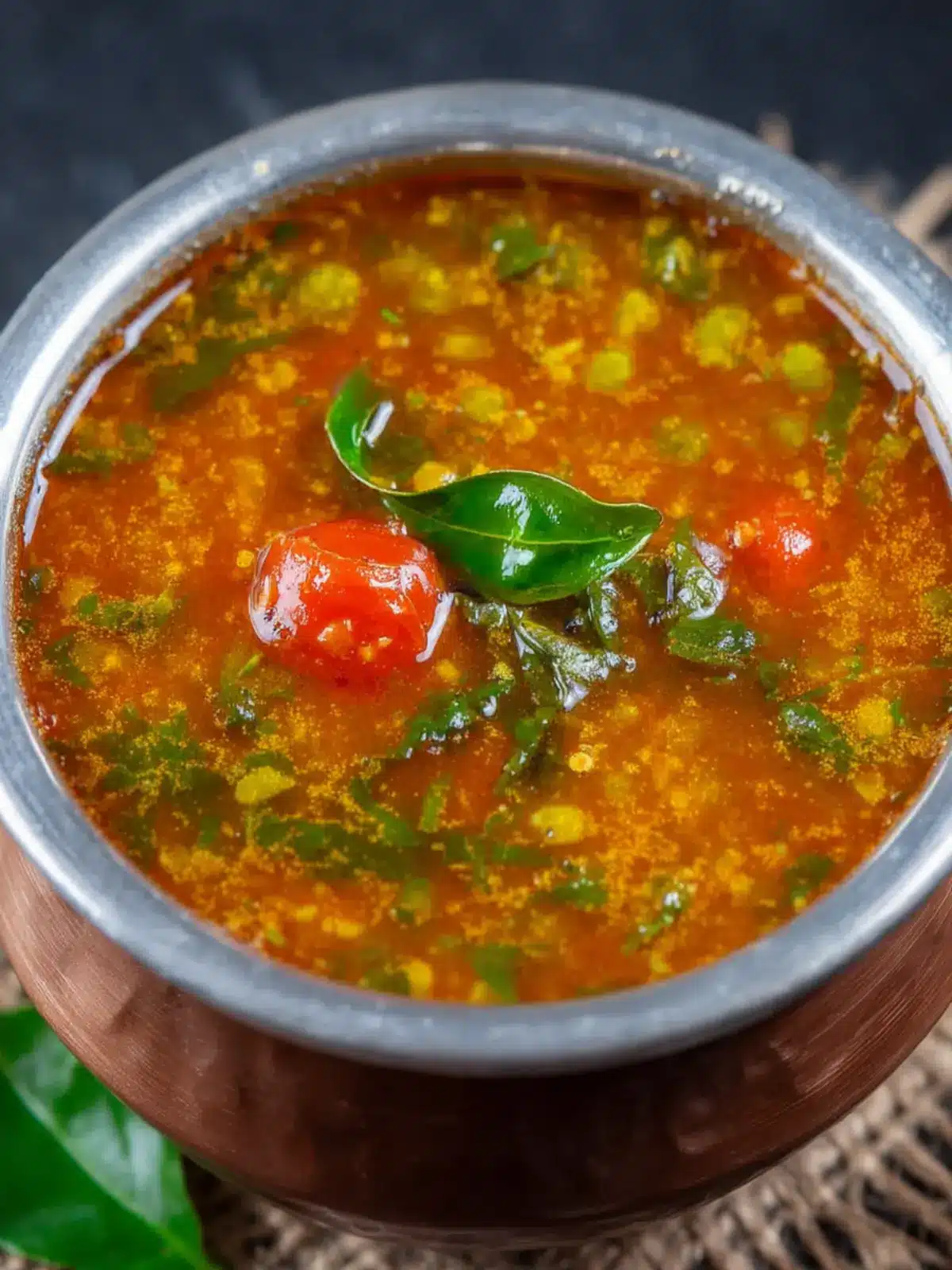
Introduction to Pepper Rasam Recipe (Milagu Rasam)
The Pepper Rasam Recipe, also known as Milagu Rasam, encapsulates the essence of warmth and comfort found in South Indian cuisine. Imagine returning home on a chilly evening, the aroma of spices wafting through the air, promising a soothing bowl of this delightful soup. Originating in Tamil Nadu, this rasam is not just a dish; it’s a hug in a bowl, designed to soothe the soul and brighten the spirit. It’s a staple in many households, known for its simple ingredients yet profound flavors that offer a sprinkle of nostalgia with every sip.
The warmth and comfort of South Indian cuisine
In South India, food goes beyond mere sustenance—it’s a celebration of culture, family, and tradition. The Pepper Rasam Recipe is a perfect example of this tradition, featuring a balance of heat from black pepper, tang from tamarind, and soothing warmth that you can feel as you consume it. This dish is often served as part of a larger meal but shines just as brightly on its own. It’s not uncommon for friends and families to gather around, sharing stories while enjoying this comforting soup, making it a wonderful way to connect with loved ones.
What makes this rasam remarkable?
- Health Benefits: The main ingredient, black pepper, is known for its medicinal properties. It’s believed to aid digestion and boost immunity, making this dish not just delicious but also a smart choice for your body.
- Quick Preparation: One of the greatest joys of cooking Milagu Rasam is that it comes together in about 30 minutes. It’s perfect for busy professionals or anyone looking for a quick yet satisfying meal.
- Versatile Pairings: Whether served with hot steamed rice or enjoyed as a comforting soup on its own, this rasam adapts to suit various eating styles.
So, grab your ingredients, and let’s dive into creating this timeless dish that embodies the heart and soul of South Indian cooking!
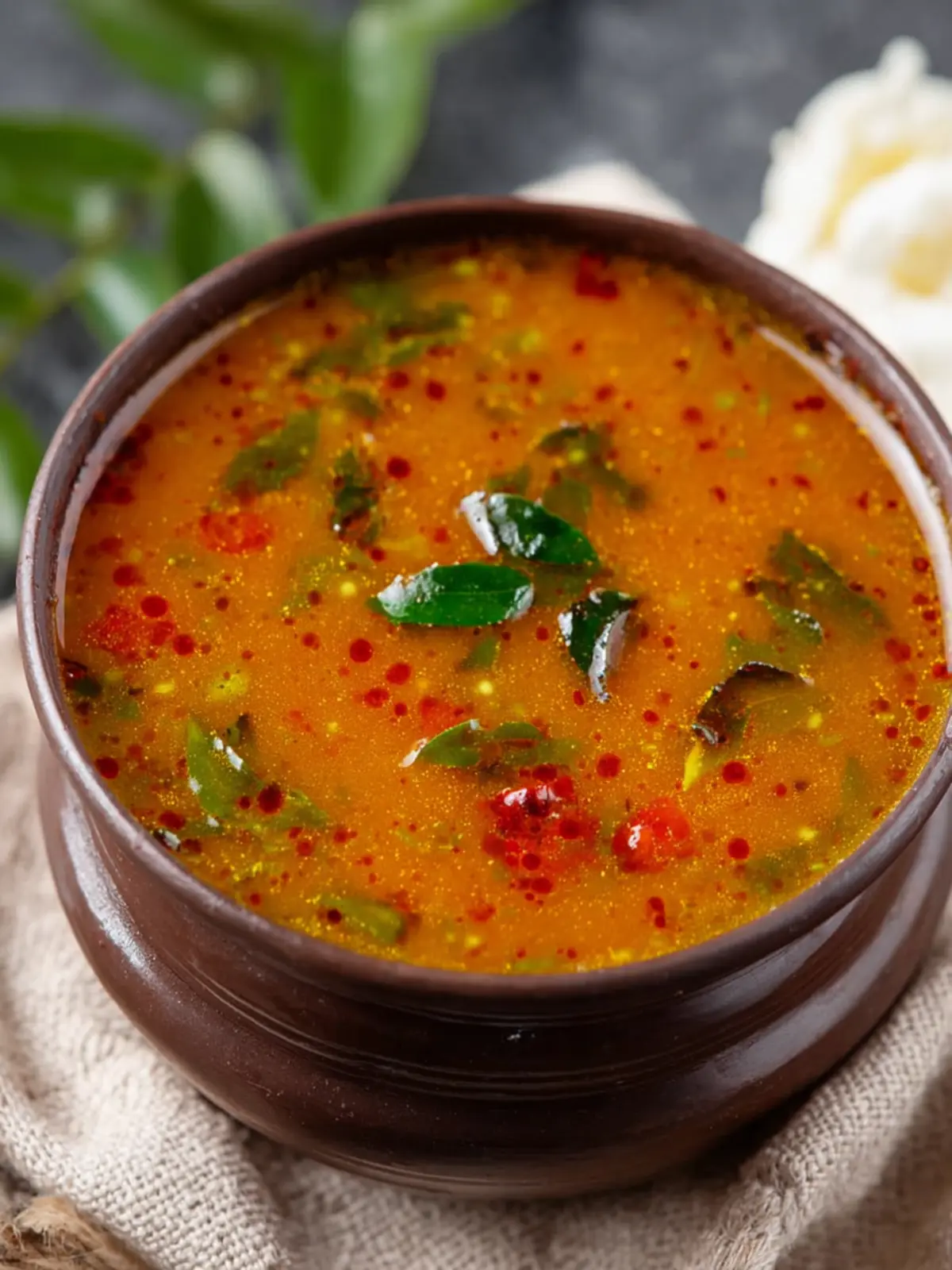
Key Ingredients for Pepper Rasam
Pepper Rasam is a classic South Indian dish that warms the soul and lifts the spirit. The foundation of this vibrant soup lies in its key ingredients, each contributing a unique flavor and health benefits that make milagu rasam a must-try for any home cook.
Black peppercorns: The star of the show, black peppercorns, deliver that unmistakable kick. Their warming spiciness sets the tone for pepper rasam and brings a depth that elevates your dish far beyond the mundane.
Cumin seeds: Adding a toasty, earthy flavor, cumin seeds harmoniously balance the heat of black pepper. This combination enhances the soulfulness of the dish, making each sip richer and more satisfying.
Garlic: I often toss in several cloves of garlic for their aromatic punch and numerous health benefits. Their fragrant yet subtle taste pairs beautifully with the spices, adding another layer of complexity.
Tomatoes: Freshly chopped tomatoes infuse a juicy sweetness and a hint of acidity that lightens the dish, creating a delightful contrast to the spices and rounding out the flavors.
Curry leaves: No South Indian dish is complete without curry leaves. Their unique aroma epitomizes the essence of Southern cooking, providing a bright, citrusy hint that is simply irreplaceable.
Why You’ll Love This Pepper Rasam Recipe
When you think of Pepper Rasam, picture a warm bowl of comforting goodness that dances on your taste buds and wraps you in a cozy embrace. This traditional South Indian soup is not only delightful but also packed with health benefits that will leave you coming back for seconds.
Health Benefits: Pepper Rasam is known for its digestive properties, thanks to the black pepper and spices. It’s perfect for those chilly days when you need a boost to your immune system.
Versatile Dish: Whether you enjoy it as a warm soup, a flavorful accompaniment to rice, or even a stand-alone dish, it adapts beautifully to your mealtime needs.
Quick and Easy Preparation: This Pepper Rasam recipe is a breeze to whip up after a long day. With simple and readily available ingredients, you can have a nourishing meal ready in no time.
Savor the Flavors: The way the spices meld together creates a unique symphony of flavors that can elevate any dull day into something special.
Once you dive into the delicious world of Pepper Rasam, you’ll understand why it’s a cherished recipe in many homes. From its heartwarming aroma to its soothing properties, it’s a dish that’s bound to become a family favorite.
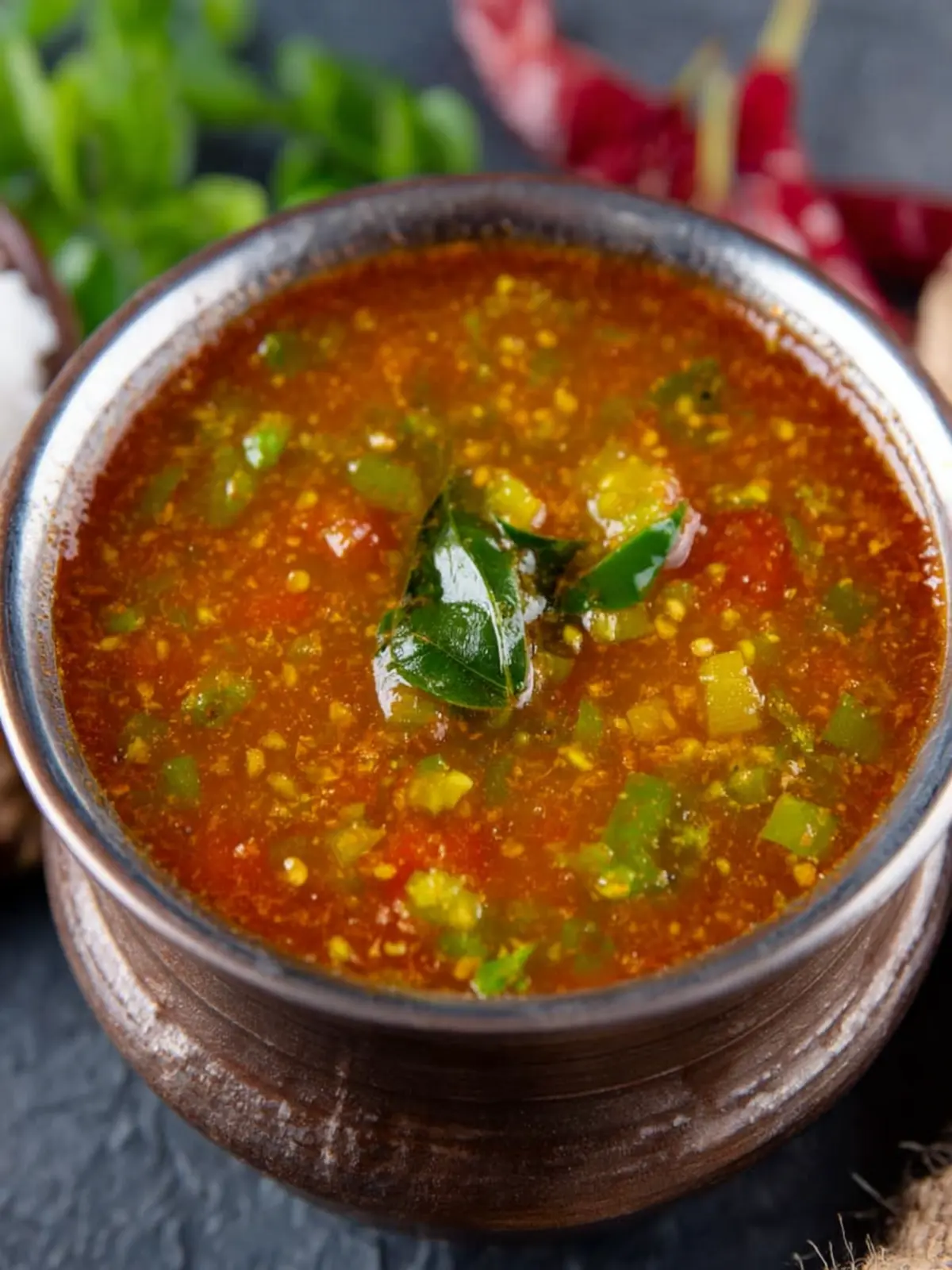
Variations of Pepper Rasam
Pepper Rasam, while delightful on its own, opens the door to a universe of variations that can add exciting twists to your traditional recipe. One way to switch things up is by adding tomatoes. A hint of tartness from fresh tomatoes enriches the flavor profile and enhances the rasam’s aroma.
Another fantastic variation is incorporating lentils, making it a bit heartier. For a protein boost, add cooked toor dal or moong dal right before serving. This transforms a simple soup into a fulfilling meal.
If you’re looking to play with spices, try a coriander and cumin powder blend. The aromatic mixture introduces a back note of earthiness, working beautifully alongside the peppery heat.
For those who enjoy a bit of sweetness, consider adding a splash of coconut milk. This will create a creamy, rich texture that’s perfect for serving with steamed rice or even dosas.
Lastly, don’t overlook the regional variations. In some parts of South India, curry leaves and bitter gourd are common additions, imbuing the dish with unique flavors. Each variation of Pepper Rasam tells a story, waiting to unfold in your kitchen!
Cooking Tips and Notes for Pepper Rasam
Embarking on a culinary adventure with Indian cuisine often begins with a warm, aromatic bowl of Pepper Rasam. This simple yet flavorful dish is more than just a soup; it’s a comforting embrace for the soul. As you prepare to whip up your own Pepper Rasam Recipe, here are some friendly tips and insights to ensure your dish is nothing short of sensational.
Choose Your Ingredients Wisely
- Black Pepper: Freshly ground black pepper enhances the dish’s signature heat. Try to avoid pre-ground pepper; the difference in flavor is remarkable.
- Tamarind: Use fresh tamarind pulp for the best tanginess and flavor profile. If using paste, ensure it’s a high-quality brand with no additives.
Balancing Flavors
Adjust Spice Levels: The beauty of Pepper Rasam lies in its balance. If you prefer a spicier kick, feel free to add more black pepper or incorporate a pinch of crushed red pepper flakes.
Dhal Consistency: The right consistency for the dal (lentils) is key; you want it to be smooth but not overly watery. Blending just a portion of the dal can give you that perfect texture.
Serving Suggestions
Pairing with Rice: While Pepper Rasam is delightful on its own, serve it over steaming white rice or with a side of crispy papad for an authentic experience.
Temperature Matters: Rasam is best enjoyed hot; it awakens the spices and flavors, making your meal even more satisfying.
With these tips in mind, you’ll be well on your way to mastering the art of Pepper Rasam. Enjoy the cooking process, and don’t hesitate to experiment as you find the perfect balance of flavors that suits your palate!
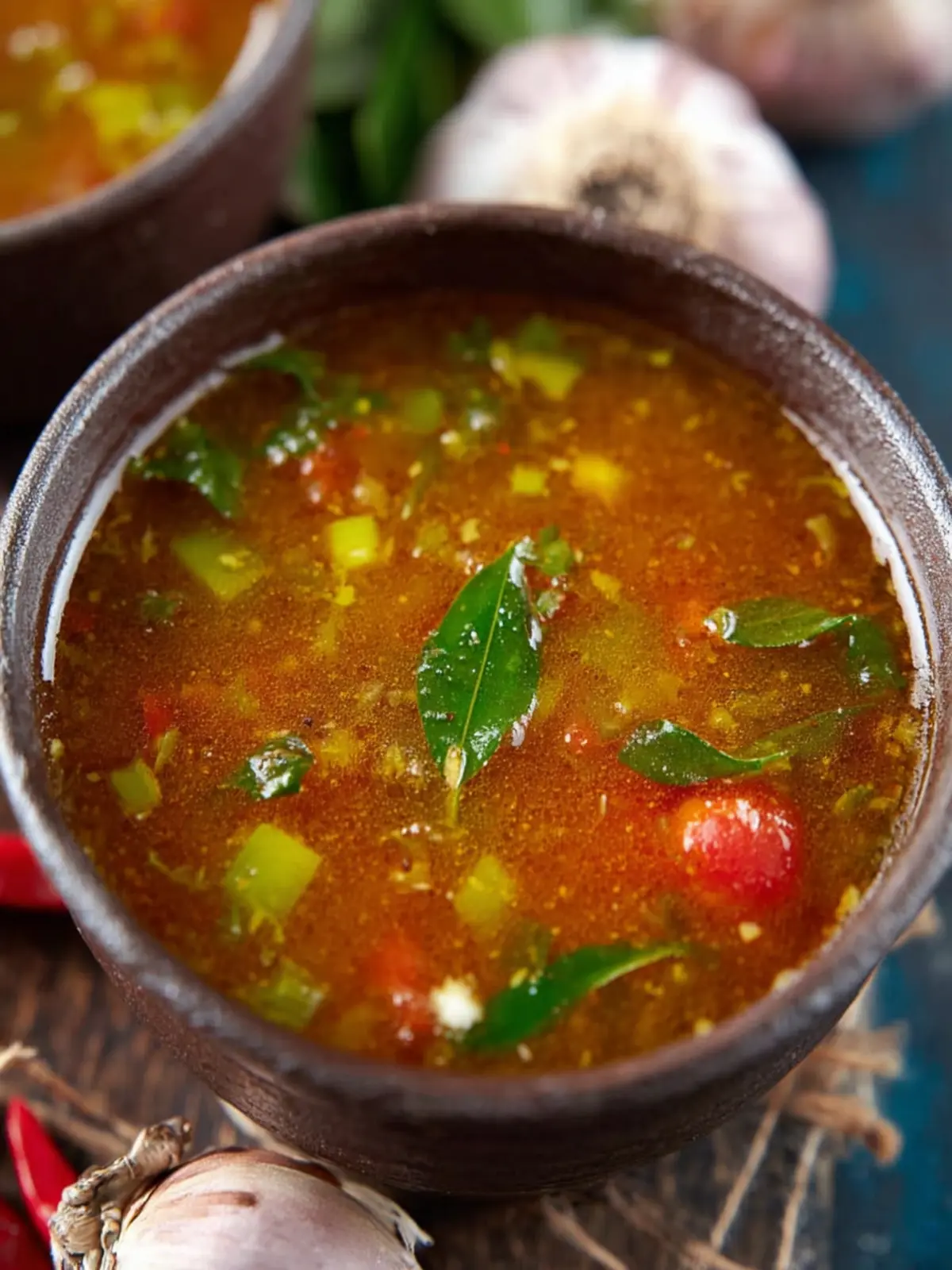
Serving Suggestions for Pepper Rasam
A piping hot bowl of Pepper Rasam is more than just a comforting dish; it’s an experience. Picture this: as the spices waft through the air, each sip brings warmth and serenity—perfect after a long day at work.
Here are some delightful ways to serve your Pepper Rasam Recipe:
As a Soup: Enjoy it straight from a bowl, garnished with fresh coriander leaves. This simple presentation allows the flavors to take center stage.
With Rice: A traditional pair, serve your rasam over steamed white rice for a classic South Indian meal that feels like a hug in a bowl.
With Papad: Crunchy papads on the side provide a satisfying contrast, adding texture that elevates the entire meal.
As a Side Dish: Pair it with a hearty veggie curry for a balanced dinner plate that doesn’t skimp on taste.
Accompanied by Pickle: A tangy mango or lime pickle complements the spices perfectly, enhancing your dining experience.
Explore these options and enjoy the heartwarming taste of Pepper Rasam, whether it’s a leisurely lunch or dinner after a hectic day!
Time Breakdown for Making Pepper Rasam
Creating a delightful Pepper Rasam at home is not just about the unique blend of spices; it’s also about efficiency in the kitchen. Knowing how much time you’ll need can make cooking a joyous process rather than a rushed activity.
Preparation Time
Before the cooking begins, set aside about 10 minutes for preparation. This includes gathering ingredients and chopping any necessary vegetables. Trust me, a little organization goes a long way!
Cooking Time
Once everything is ready, the cooking process takes approximately 20 minutes. Bring those spices to life, and you’ll appreciate the aroma filling your kitchen.
Total Time
In total, you’re looking at around 30 minutes from start to finish. This quick and simple Pepper Rasam Recipe provides comfort food without the wait, making it perfect for busy weeknights or cozy weekends. Enjoy the flavorful journey!
Nutritional Facts for Pepper Rasam
When diving into the comforting world of Pepper Rasam, it’s great to be mindful of what’s going into this flavorful dish. Each bowl offers a delightful mix of spices and broth that supports overall wellness.
Calories
A serving of Pepper Rasam typically contains about 70-80 calories, making it a light and enjoyable option for those watching their calorie intake.
Protein
This warming soup contributes roughly 2 grams of protein per serving. While it may not pack a heavy protein punch, pairing it with rice or lentils can enhance its nutritional profile.
Sodium
With approximately 400-500 mg of sodium, consider adjusting the salt as per your dietary needs. Cooking at home allows for that perfect balance without compromising on flavor.
Enjoy the delightful warmth and benefits of this traditional dish!
FAQs About Pepper Rasam (Milagu Rasam)
Can I make Pepper Rasam without tamarind?
Absolutely! While traditional Pepper Rasam often includes tamarind for that signature tanginess, you can opt for alternatives if you’re looking for a different flavor profile or are simply out of tamarind. Lemon juice or a splash of vinegar can provide a fresh acidity without overpowering the dish. You may want to adjust the quantity based on your taste preferences, starting with a teaspoon and tasting as you go.
What are the best side dishes to serve with Pepper Rasam?
Pepper Rasam Recipe shines brightest when paired with comforting sides. Here are some wonderful options to consider:
- Steamed Rice: The classic companion that soaks up the flavorful broth.
- Crispy Papad: Adds a delightful crunch and texture contrast.
- Vegetable Stir-Fry: A light dish, like a stir-fry with seasonal veggies, perfectly complements the spicy tang of the rasam.
- Curd Rice: This calming yogurt rice balances the spice and is a staple in South Indian meals.
How can I adjust the spice level in Pepper Rasam?
Finding the right balance of heat can be personal. If you’re not a big fan of spice, reduce the black pepper or omit the green chilies entirely. Alternatively, if you’re looking for a fiery kick, feel free to double the amount of black pepper or add crushed red pepper flakes. Just remember to taste as you go; it’s easier to add spice than to take it away!
Conclusion on Pepper Rasam Recipe
Wrapping up our Pepper Rasam Recipe, you’re likely to find that this dish isn’t just about flavor; it’s a true experience! Each spoonful carries a warmth that comforts the soul, perfect for a rainy day or when you’re feeling under the weather. The combination of black pepper, tomatoes, and tamarind creates a delightful balance of heat and tanginess that leaves a lasting impression. Don’t forget, sharing this rasam with your loved ones makes it even more special. So gather your ingredients, follow the simple steps, and savor the journey that this dish brings to your kitchen. Enjoy!
Print
Spiced Indian Paste
- Total Time: 25 minutes
- Yield: 4 servings 1x
- Diet: vegetarian
Description
A flavorful spiced paste ideal for various Indian dishes.
Ingredients
- 3 teaspoons black peppercorns
- 2 teaspoons cumin seeds
- 4–5 garlic cloves
- 2 teaspoons oil
- 1 teaspoon brown mustard seeds
- 2 dried red chilies
- ½ cup finely chopped tomatoes
- 1 teaspoon salt
- 10–12 curry leaves
- ¼ teaspoon turmeric powder
- 1 teaspoon red chili powder
- ¼ teaspoon asafetida (hing) (skip for a gluten-free recipe)
- 3 cups water
- 1 tablespoon tamarind paste
- 1 tablespoon chopped cilantro
Instructions
- Add peppercorns, cumin seeds, and garlic cloves to a mortar and pestle.
- Crush to make a coarse paste. Discard the peels of garlic.
- Heat oil in a pan over medium heat.
- Once the oil is hot, add mustard seeds and dry red chilies and let them crackle for 5-6 seconds.
- Add tomatoes, salt, and curry leaves, and cook for 1 minute, stirring continuously.
- Add the pepper-cumin paste and mix well.
- Now add turmeric powder, red chili powder, and hing and mix well.
- Add water and tamarind paste.
- Reduce the heat to medium-low and cook for 12-15 minutes, stirring frequently.
- Check for salt and tamarind paste, and add more if needed.
- Add fresh coriander and serve immediately.
Notes
- This paste can be used as a base for various curries. Adjust the spices according to your heat preference.
- Prep Time: 10 minutes
- Cook Time: 15 minutes
- Category: Condiment
- Method: stovetop
- Cuisine: Indian
Nutrition
- Serving Size: 1 tablespoon
