
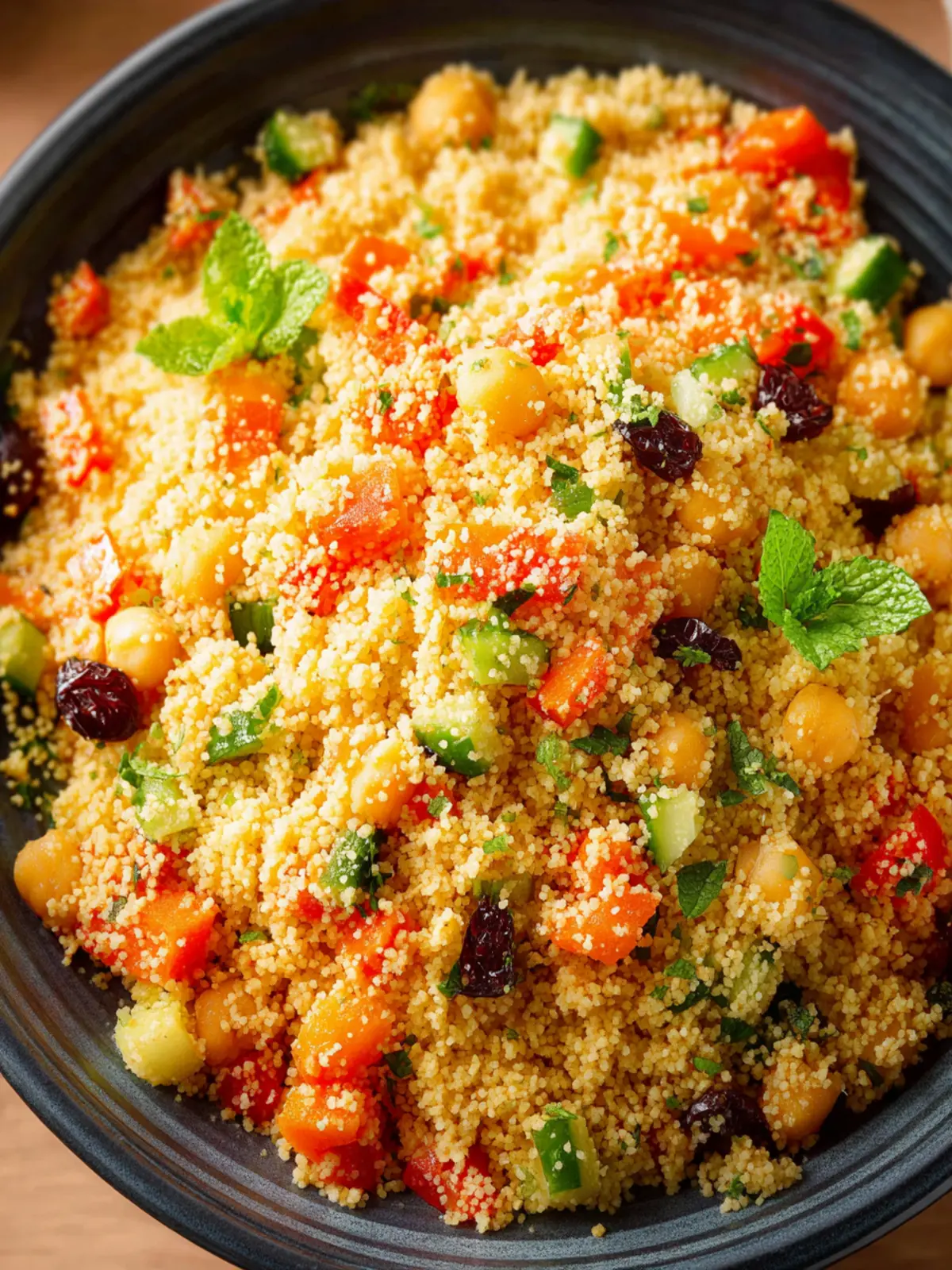
Introduction to How To Cook Couscous
Cooking couscous can feel like a culinary revelation. With its light, fluffy texture and versatility, this tiny grain is often the unsung hero of weeknight meals. Picture this: you come home after a long day, hungry and tired, but the thought of preparing a complex dish is overwhelming. Enter couscous—it cooks up in a matter of minutes, transforming into a perfect base for countless delicious toppings and flavors.
Why couscous is the ultimate go-to meal
So, why is couscous the ideal choice for busy young professionals? For starters, it’s incredibly easy to prepare. Unlike rice or quinoa, couscous requires minimal effort and only a few ingredients. With its roots in North Africa, this ancient grain has made its way into kitchens worldwide, beloved for both its nutty flavor and ability to absorb other tastes.
Quick Cooking: Plain couscous cooks in as little as 5 minutes! Just add boiling water or broth, cover it, and let it sit. You can use this time to whip up a quick salad or sauté vegetables to mix in.
Versatile Ingredient: Couscous pairs beautifully with a wide variety of ingredients. Whether you’re in the mood for Moroccan spices, fresh vegetables, or zesty citrus, couscous can enhance any meal.
Nutrition Boost: While traditional couscous is often made from semolina wheat, you can find whole grain varieties, as well as flavored versions which can add extra nutritional value to your plate.
Meal Prep Friendly: If you’re meal prepping for a busy week, couscous keeps well in the fridge, making it an excellent option for lunches or quick dinners.
Imagine whipping up a satisfying and hearty bowl in less time than it takes to scroll your social media feed! Once you discover how to cook couscous effortlessly, you’ll find it slipping into your meal rotation frequently. It’s not just quick and simple; it’s also a blank canvas ready for your culinary creativity. Let’s dive into the details of cooking couscous in your kitchen!
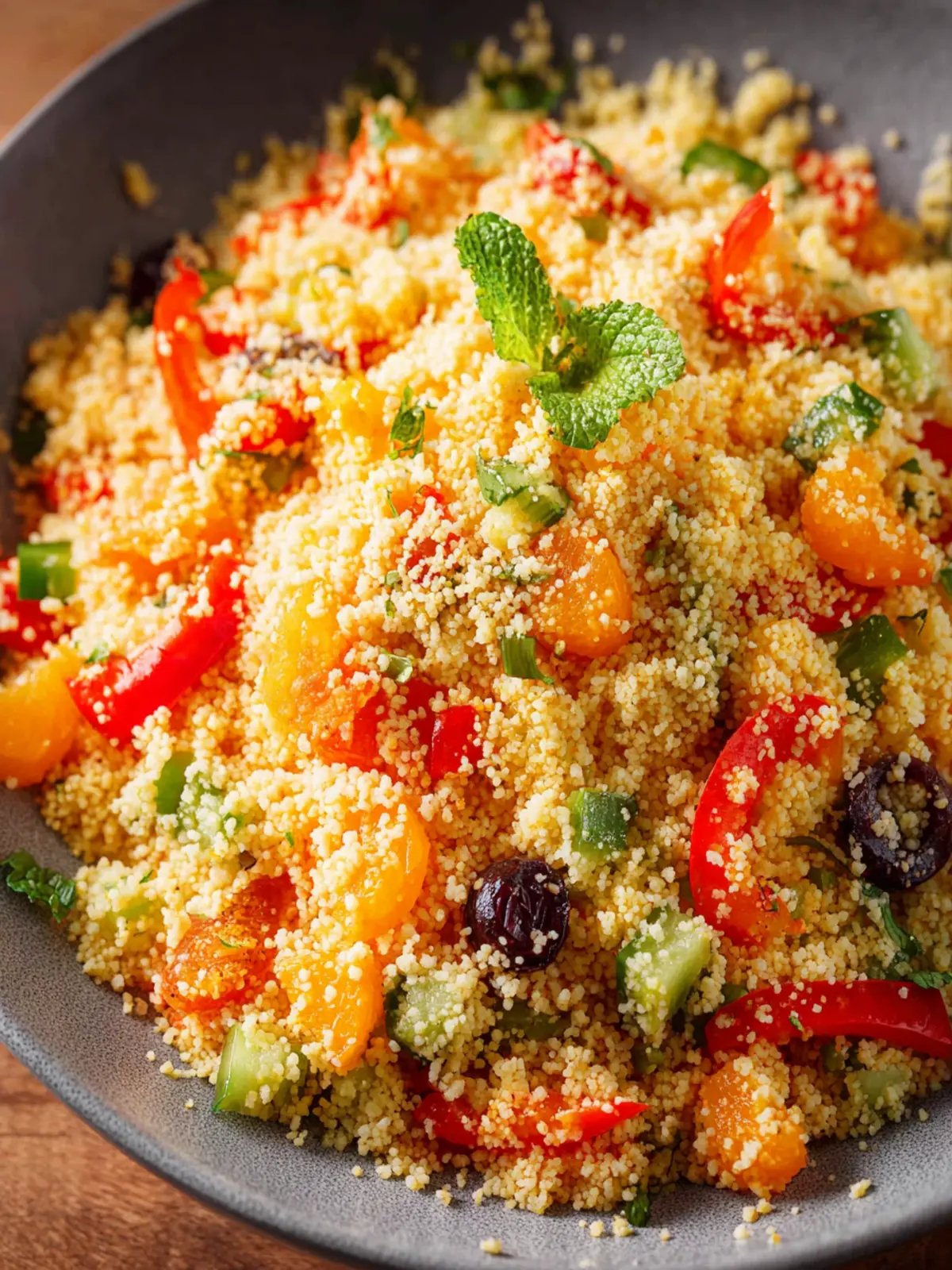
Key Ingredients for How To Cook Couscous
Couscous, the quick-cooking grain alternative that feels like a warm hug on a plate, forms the basis of countless delicious dishes. To get it just right, having the right ingredients at your fingertips is crucial.
Couscous: Using high-quality dry couscous is essential. Opt for whole wheat couscous if you’re looking for a nutty flavor and added fiber.
Liquid: Water is common, but broth—chicken or vegetable—adds depth and enhances the flavor profile of your couscous.
Salt: A pinch goes a long way in bringing out the natural flavors. Remember, seasoned liquid can change the game.
Olive Oil or Butter: A splash of olive oil or a pat of butter mingled with the couscous can add richness, making each grain shine.
Herbs and Spices: Fresh herbs like parsley or mint, and spices such as cumin or paprika, can elevate your couscous to new heights. They bring freshness and a delightful aroma.
Your journey to learn how to cook couscous will be both enjoyable and rewarding with these key ingredients!
Why You’ll Love This Couscous Recipe
Quick and easy preparation
When you’re wondering how to cook couscous quickly without sacrificing flavor, this recipe shines. Couscous is one of the most convenient staples to keep in your pantry. In just about 10 minutes, you can transform a simple grain into a fluffy dish that’s versatile enough to pair with almost anything. Just pour boiling water over it, cover for a few minutes, and let it work its magic. This easy preparation means you can spend more time enjoying your meal and less time stressing in the kitchen.
Delicious and nutritious
Couscous is not just quick; it’s also packed with nutrients! This tiny pasta made from semolina flour contains essential amino acids, fiber, and a good dose of vitamins and minerals. You can easily elevate it by adding flavorful herbs, spices, or roasted vegetables, creating a delightful and satisfying meal. Whether you’re looking to bulk up with protein or just enjoy fresh flavors, this recipe caters to your palate and dietary needs.
Perfect for meal prep
If you’re into meal prepping, incorporating couscous into your routine can be a game changer. You can make a large batch ahead of time and store it in your fridge for a quick lunch or dinner throughout the week. Toss it with your favorite ingredients, and voilà—a wholesome meal at your fingertips! Not to mention, couscous holds up well, making it a reliable option when you’re busy but still want to eat healthily. It’s the ultimate go-to for a tasty and nutritious meal prep solution.
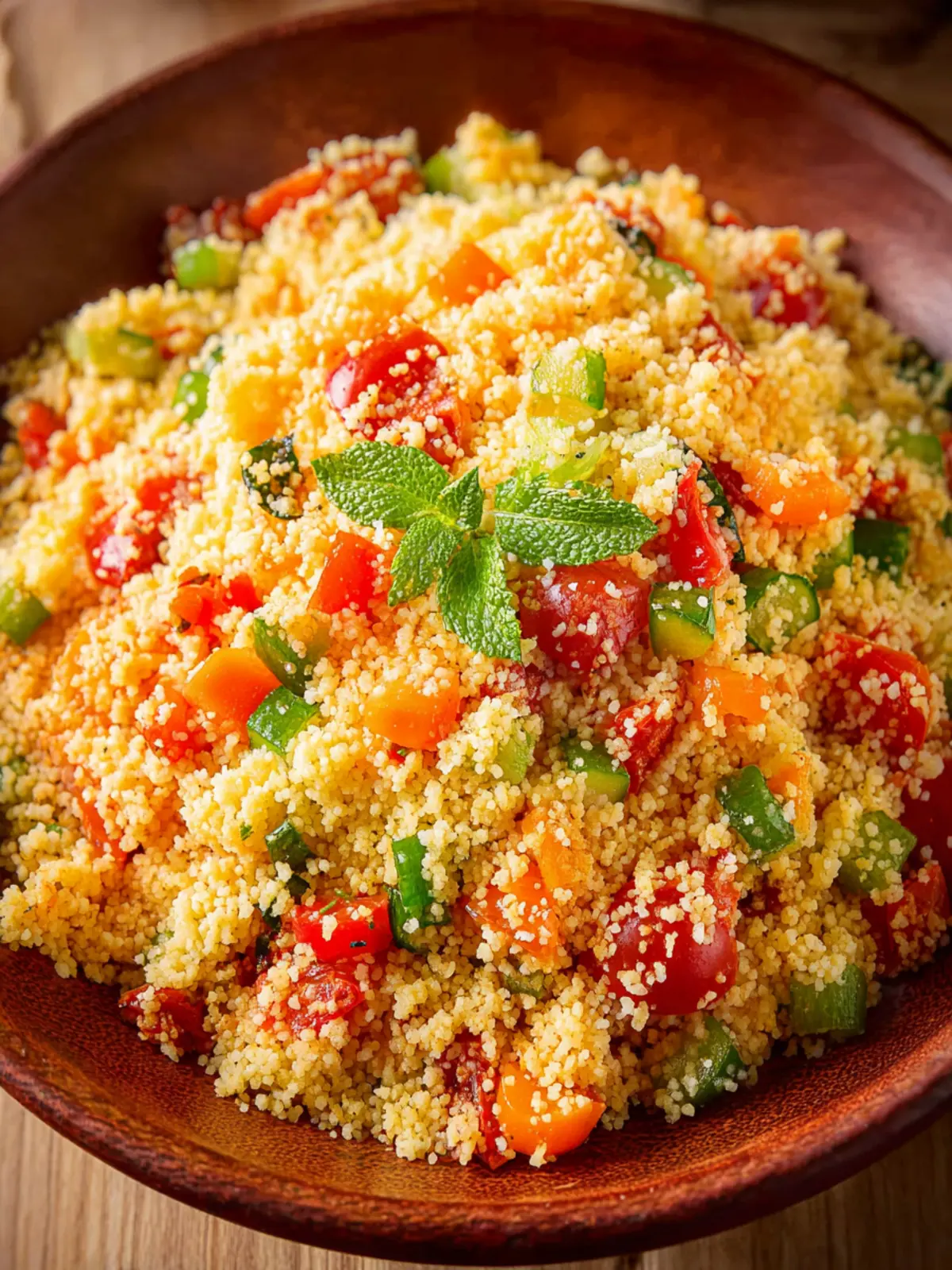
Cooking Tips and Notes for How To Cook Couscous
Choosing the right type of couscous
When learning how to cook couscous, selecting the right type is essential. There are several varieties, including Moroccan, pearl (also known as Israeli), and Lebanese. Moroccan couscous is the most common and quickest to prepare, while pearl couscous has a larger grain size and a chewier texture that makes it a delightful addition to salads and main dishes. If you want a more substantial option, consider the Lebanese couscous, which is larger and takes a bit longer to cook.
Tips for fluffy couscous
The secret to achieving that light and fluffy texture lies in the water-to-couscous ratio. Generally, a 1:1 ratio works well for Moroccan couscous, while pearl couscous may require a bit more liquid. Allow the couscous to sit after cooking, covered, for about 5 minutes. This resting period permits the grains to absorb any remaining moisture and separates them beautifully. Fluffing with a fork afterward will enhance the fluffy texture.
How to add more flavors
To elevate your couscous, think beyond just water. Consider using vegetable or chicken broth for cooking instead, introducing an extra layer of flavor. Adding a splash of olive oil, fresh herbs, spices, or even finely chopped garlic right after cooking can transform your dish. For a Mediterranean twist, mix in sun-dried tomatoes, olives, and feta cheese to create a vibrant side dish bursting with flavor.
Serving Suggestions for Couscous
Couscous is a deliciously versatile grain that can elevate any meal. With its light, fluffy texture, it’s easy to see why learning how to cook couscous is a game changer in the kitchen.
Pairing Couscous with Proteins
To create a balanced meal, consider serving couscous with grilled chicken or lamb. The grains soak up the juices and flavors, providing a delightful contrast. For a vegetarian option, roasted chickpeas or grilled tofu can add protein while keeping the dish hearty and satisfying.
Serving It as a Side Dish
Couscous makes an excellent side dish for any entrée. Whether paired with steak or fish, it adds a unique touch. Toss in some herbs like parsley or cilantro, and a squeeze of lemon for a refreshing boost. You’ll find that it complements rich flavors beautifully.
Creative Ways to Enjoy Leftovers
Don’t let any couscous go to waste! Leftover couscous can be transformed into a vibrant salad with chopped vegetables and a zesty vinaigrette. Alternatively, mix it into soups or stews to thicken and enrich them. The possibilities are endless, ensuring you make the most of this delightful grain.
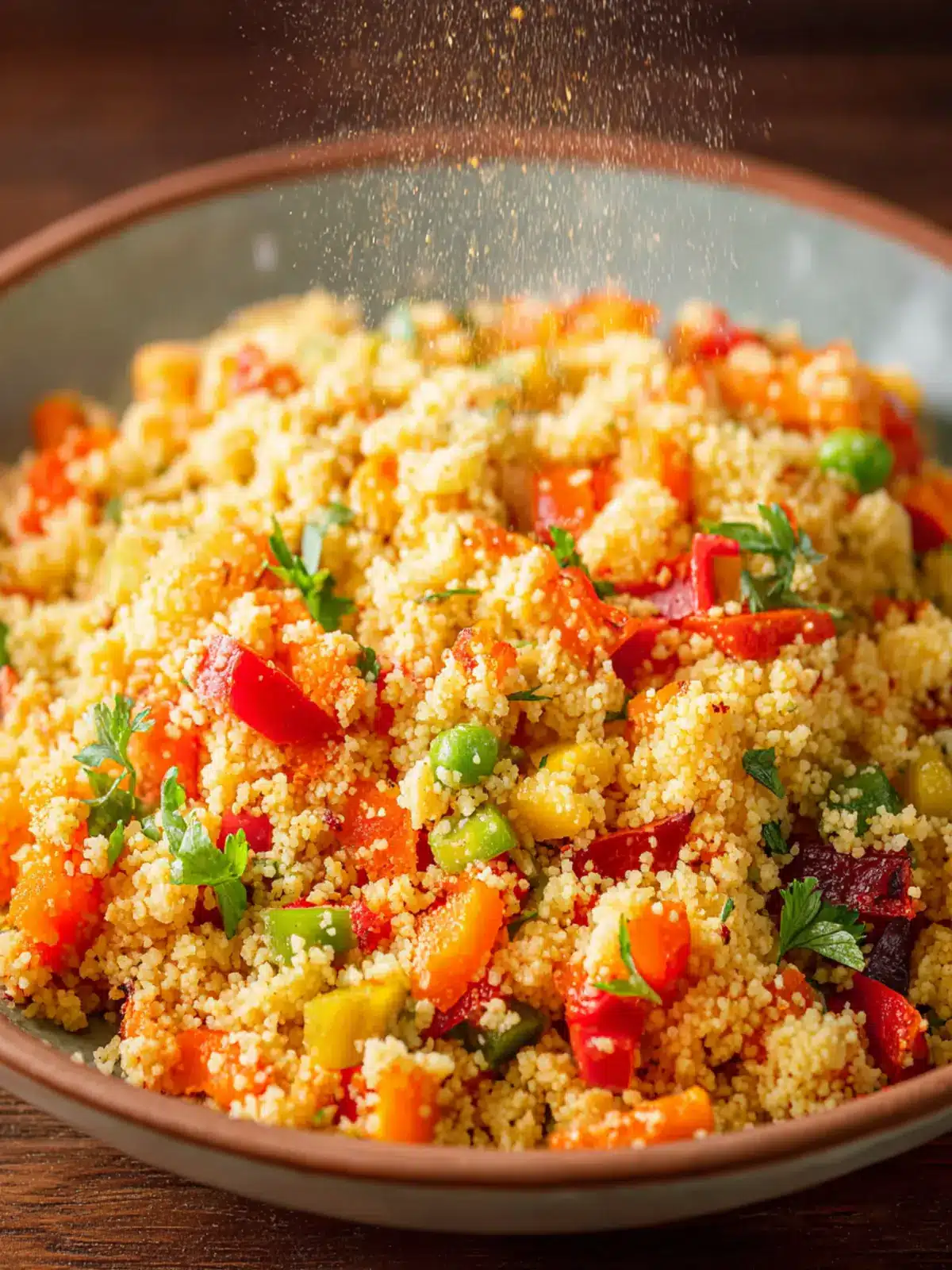
Time Breakdown for Cooking Couscous
Cooking couscous can become a delightful ritual, allowing you to explore flavors and textures in your dishes. Understanding the time involved is essential to maximize your efficiency in the kitchen.
Preparation Time
Getting ready to cook couscous takes about 5 minutes. This includes gathering your ingredients, measuring the couscous, and boiling the water or broth.
Cooking Time
The actual cooking time is impressively swift—just 5 minutes! Once the water reaches a boil, the couscous absorbs the liquid and becomes fluffy.
Total Time
In total, you’re looking at approximately 10 minutes from start to finish. This makes couscous a perfect choice for those busy weeknights or impromptu gatherings, where you still want to impress your guests with a delicious side!
Nutritional Facts for How To Cook Couscous
Understanding the nutritional profile of couscous helps to appreciate not just its versatility in meals, but also its health benefits. Whether you’re whipping it up as a quick side or incorporating it into a beautiful main dish, knowing its stats can enhance your meal planning.
Calories
A 1-cup serving of cooked couscous contains approximately 176 calories. It’s a low-calorie option that fits seamlessly into a balanced diet, making it an ideal base for a variety of toppings or sauces.
Protein
Couscous is surprisingly rich in protein for a grain, offering about 6 grams per cup. This makes it a fantastic choice for a vegetarian protein source, perfect for enhancing salads or serving alongside roasted vegetables.
Fiber
With around 2 grams of fiber per serving, couscous supports digestive health. While it’s not as high in fiber as some whole grains, it still contributes to your daily intake, especially when paired with fiber-rich ingredients like veggies or legumes.
Now that you’re armed with this knowledge, you can confidently explore how to cook couscous and enjoy its delightful texture and taste in your everyday cooking!
FAQs about How To Cook Couscous
One staple that has quickly become a favorite in many kitchens is couscous. This tiny pasta, originating from North Africa, might seem mysterious at first, but cooking it is simpler than you think! Let’s dive into some common questions that will have you mastering how to cook couscous in no time.
How do you know when couscous is cooked?
Knowing when your couscous is perfectly cooked is all about timing and texture. After bringing your water or broth to a boil, simply add the couscous and remove it from heat. Cover the pot and let it sit for about 5 minutes. When you return, fluff it with a fork. The couscous should be tender but still have a slight bite—think of it as having developed the perfect al dente texture. If it’s still crunchy, give it a couple more minutes to absorb the liquid.
Can you use water instead of broth?
Absolutely! While using broth will add an extra layer of flavor to your couscous, water is perfectly fine as a base. You can even jazz it up by adding a pinch of salt or a splash of olive oil to the water for a touch of richness. If you have herbs or spices lying around, consider tossing in a few for added depth!
What are some variations to this recipe?
The beauty of couscous lies in its versatility. You can transform your dish with:
- Vegetables: Sautéed vegetables like bell peppers, zucchini, or spinach.
- Proteins: Add chickpeas, shrimp, or chicken to make it a heartier meal.
- Nuts and Dried Fruits: Toss in almonds or raisins for texture and sweetness.
- Herbs and Spices: Experiment with fresh herbs like parsley or mint for brightness, or spices like cumin and paprika for warmth.
Each of these additions can turn your basic couscous into a unique culinary experience!
Conclusion on How To Cook Couscous
Cooking couscous is a straightforward and rewarding experience that can elevate your meals with minimal effort. By using quality ingredients such as fluffy semolina pearls and fresh herbs, you can create dishes that are both flavorful and satisfying.
To wrap up, remember this simple technique:
- Boil water or broth and pour over couscous.
- Cover and let it steam for just a few minutes.
- Fluff with a fork and blend in your desired seasonings.
Whether you’re a busy professional or a culinary enthusiast, mastering how to cook couscous unlocks a world of delicious possibilities. Enjoy every bite!
Print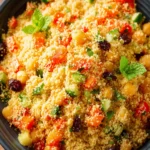
Couscous with Mixed Vegetables
- Total Time: 25 minutes
- Yield: 4 servings 1x
- Diet: Vegetarian
Description
A delicious and quick couscous recipe with mixed vegetables, perfect for any occasion.
Ingredients
- 1 1/2 cups couscous
- 3 cups chicken broth
- 1 teaspoon olive oil
- 1/2 teaspoon sea salt
- 1 teaspoon cayenne pepper
- 1 teaspoon smoked paprika
- 1 teaspoon garlic powder
- 1 teaspoon onion powder
- 1 teaspoon saffron
- 2 tablespoons unsalted butter (can sub for olive oil or oil of choice)
- 1 cup mixed vegetables (zucchini, bell pepper, carrots, and peas)
Instructions
- In a large pot, add the chicken broth and place over medium heat. Bring it to the boil.
- Once boiling, reduce to a simmer, add the olive oil and salt, and mix well. Add the dry couscous and cook for 1-2 minutes before removing from the heat. Allow the couscous to sit for 5-6 minutes or until most of the liquid has been absorbed.
- While this is happening, sauté the vegetables in a skillet until tender.
- After the liquid has been absorbed, fluff the couscous with a fork and add the cayenne pepper, smoked paprika, garlic powder, onion powder, and saffron and mix very well. Stir through the unsalted butter until the couscous is coated.
- Add the couscous to the skillet with the vegetables and mix until combined.
Notes
- This recipe is versatile; feel free to use any vegetables you prefer.
- You can substitute chicken broth with vegetable broth for a vegetarian option.
- Prep Time: 10 minutes
- Cook Time: 15 minutes
- Category: Main Dish
- Method: Boiling and Sautéing
- Cuisine: Mediterranean
Nutrition
- Serving Size: 1 cup
- Calories: 250
- Sugar: 2g
- Sodium: 600mg
- Fat: 10g
- Saturated Fat: 5g
- Unsaturated Fat: 3g
- Trans Fat: 0g
- Carbohydrates: 35g
- Fiber: 2g
- Protein: 7g
- Cholesterol: 15mg
